

© 2022 ABN Interior Designers. All rights reserved. Design By- Digital Highs
The beauty of your home is simply one aspect of interior design. Utilizing every square inch of your house efficiently is another important factor. The layer of design covering a building's inside is called interior design. However, the truth is considerably more complex than that. Creating functional spaces and improving the well-being of those who use them are at the heart of interior design. In addition to looking attractive, excellent interior design also enhances the general quality of life. Interior design is an art and a science that requires knowledge of the psychology of living in a space and creativity to incorporate color, shape, and texture to create a harmonious and aesthetically pleasant atmosphere.
ABN interior Architects can help you in house interior designing because it is the best interior designer in Thane due to its client satisfaction and top-notch work. This guide will cover important interior design topics, including the Seven Principles of Interior Design and the components of the top interior design trends.
The Seven Elements of Interior Design
To create a well-designed room, follow the 7 Principles of Interior Design. To create stunning and completely functional rooms, designers apply these concepts to every design plan. While each of the seven principles is significant, they all cooperate and support one another in a genuinely great design.
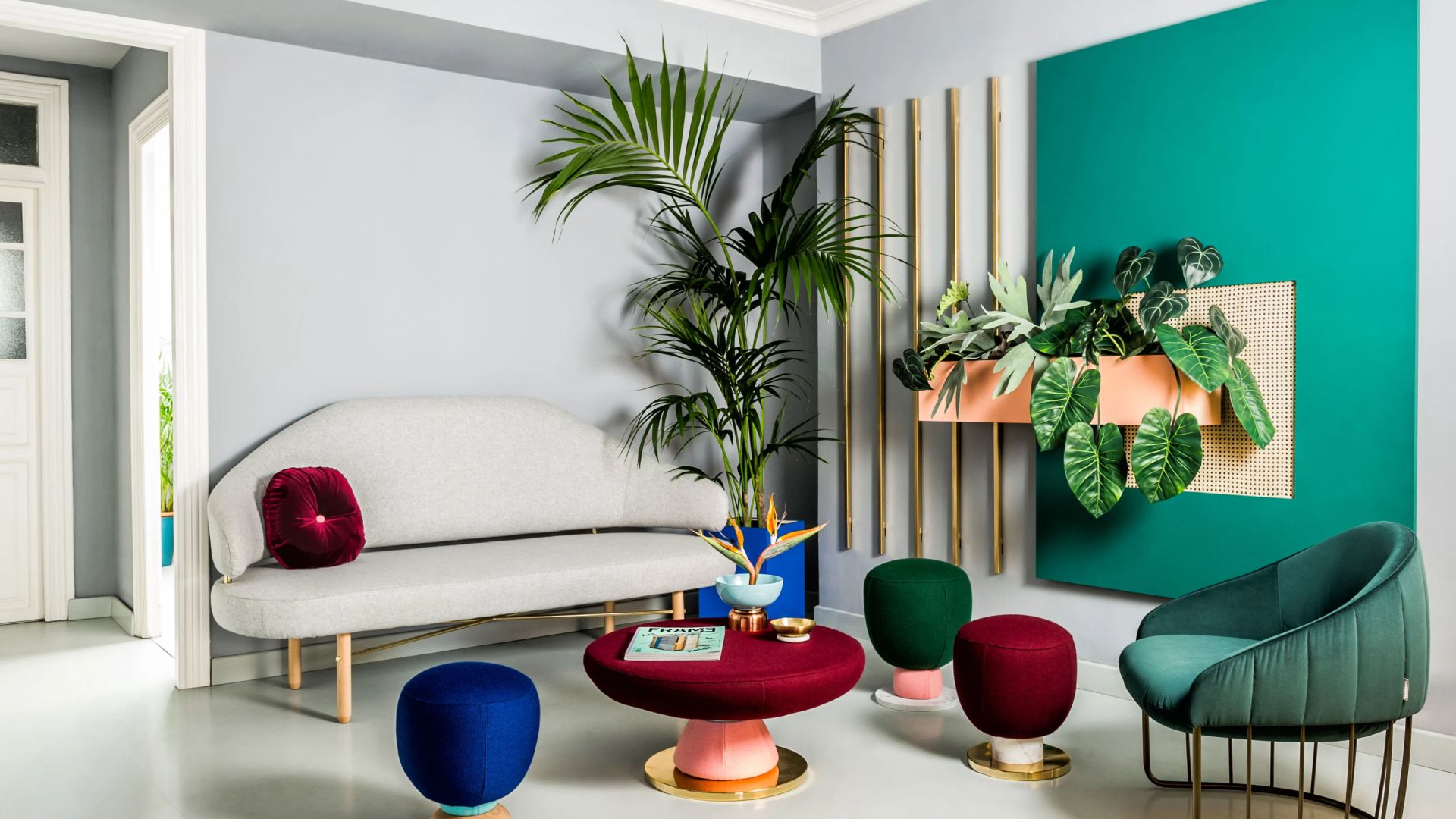
Emphasis
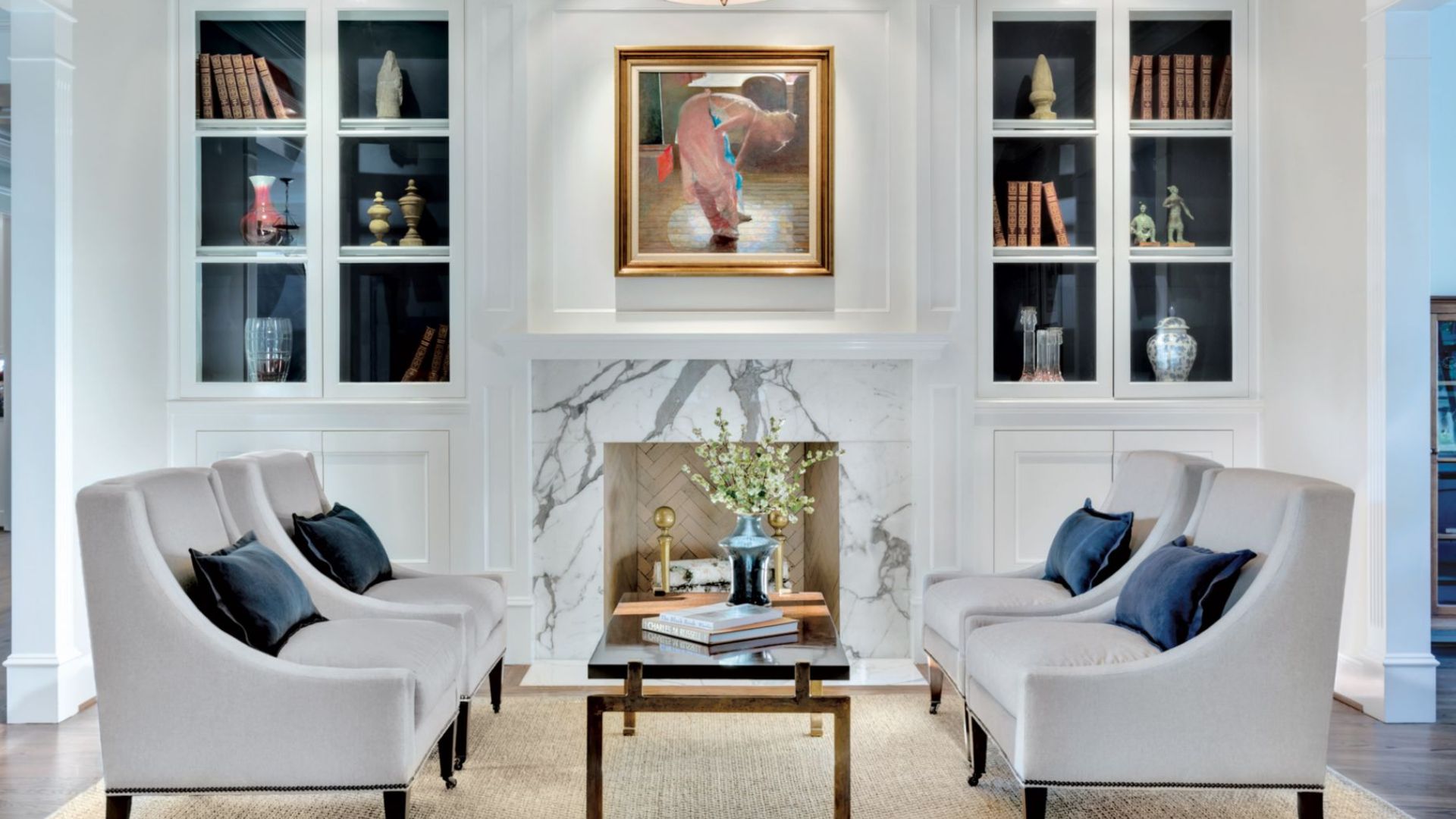
In interior design, emphasis is a primary component that serves as the room's focal point. Architectural details like a fireplace or picture window are frequent focal areas. Furniture or artwork can be the room's focal point if a space lacks distinctive architectural elements. As an anchor for the room, the focal point should be the first thing you see when you walk in. Once you've determined the focal point, you can emphasize it by placing furniture in a specific location and using color, light, and texture. We can make things easier for you at ABN interior architects.
Balance
An even distribution of "visual weight" is necessary for maintaining balance in interior design. The term "visual weight" describes how substantial or hefty an object seems to the eye. Compared to smaller, thinner, open, or light-coloured objects, larger, substantial, dark, or colorful objects will appear heavier. Divide space into four equal quadrants to achieve a sense of equilibrium. The amount of furniture and objects in each quadrant should look to be about the same.
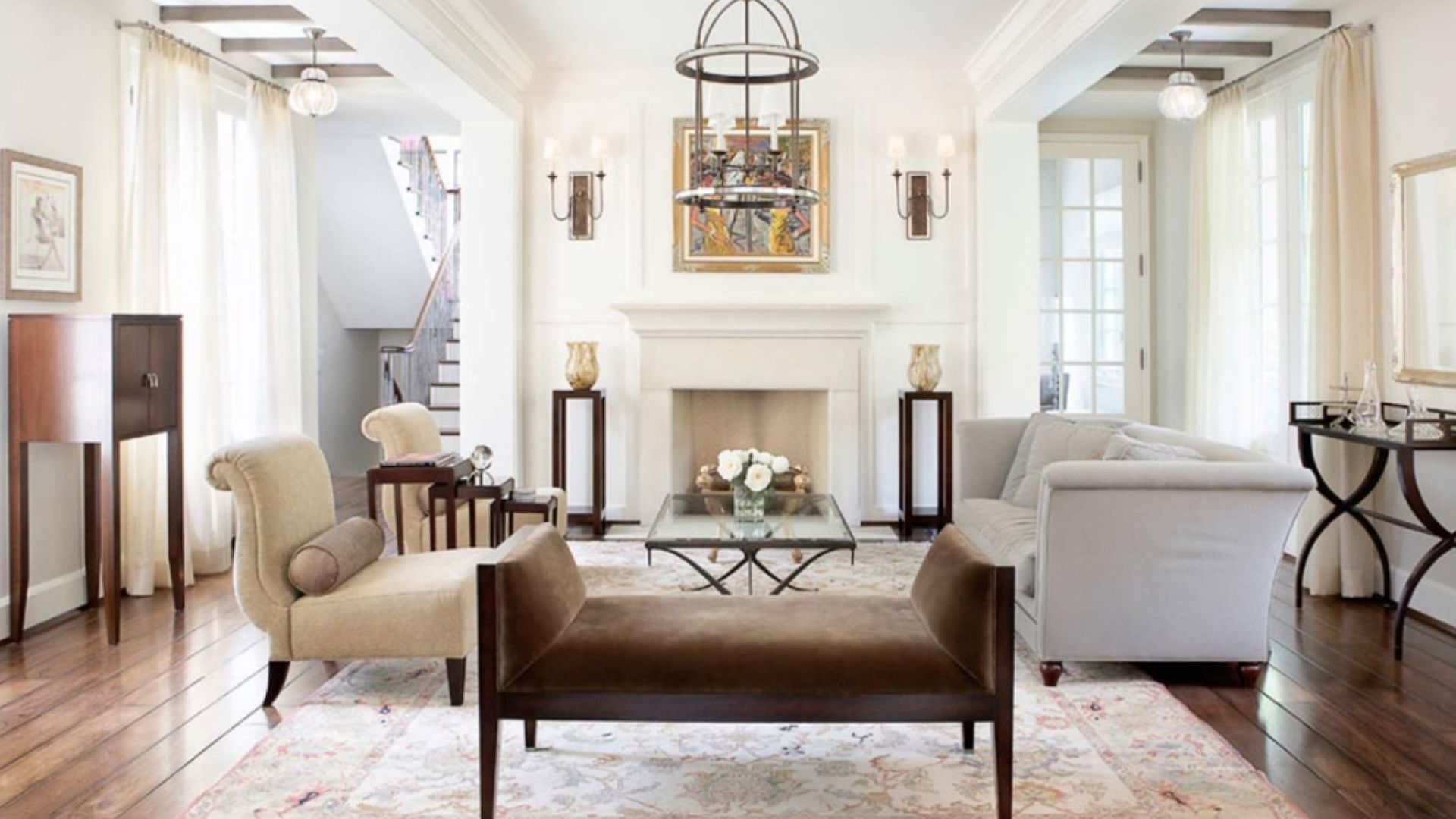
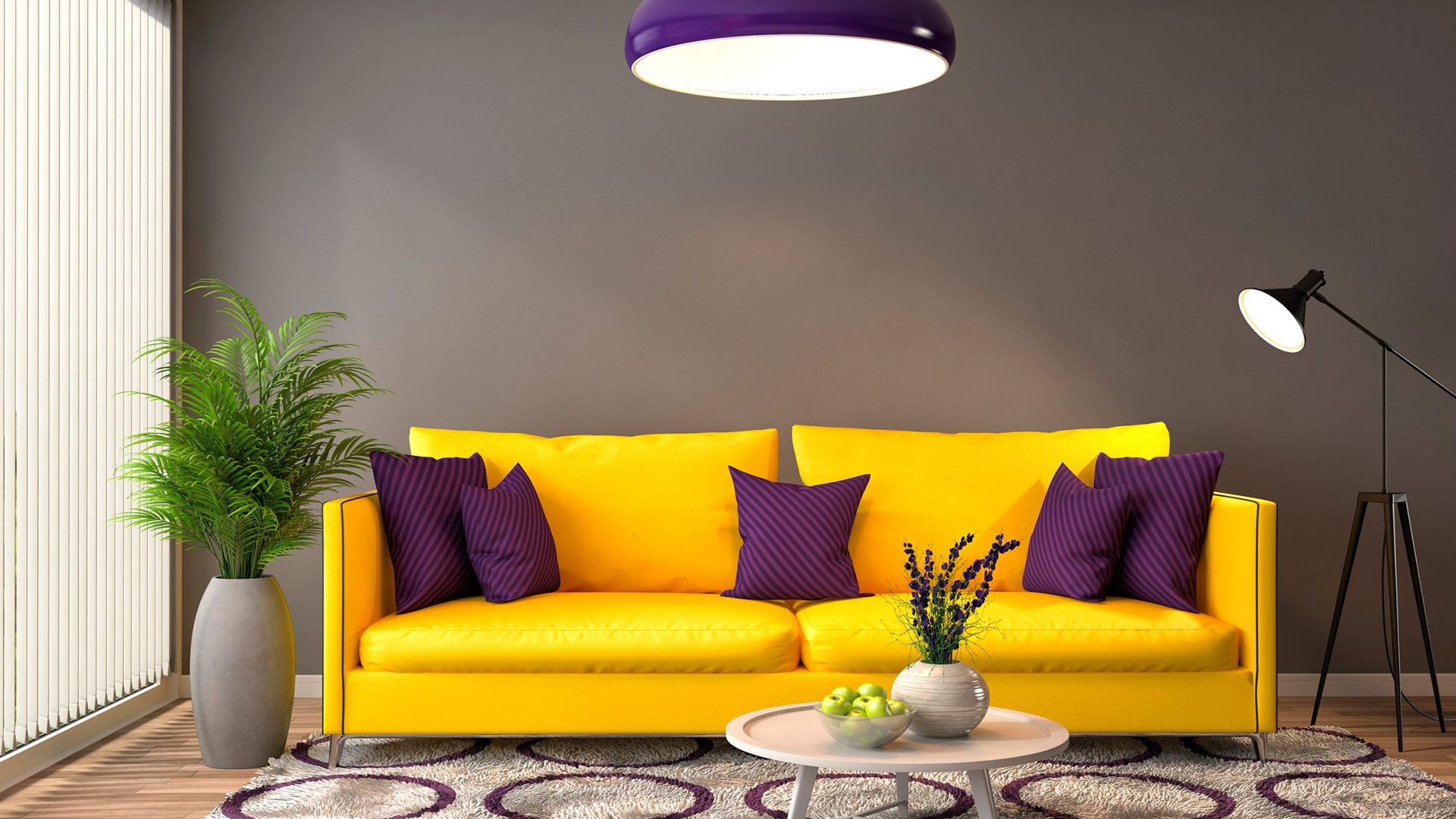
Contrast and Variety
Interiors are kept monotonous by contrast and variation, adding visual appeal. While variation adds personality and diversity, contrast creates drama and grabs attention. You can create contrast by putting objects that differ dramatically adjacent to one another. Utilizing color, shape, and space will help you create this impact. You can also employ unusual furniture pieces, fabrics, colors, and finishes to bring variety to a space.
Rhythm
A rhythmic pattern is produced when a beat (or series of beats) is repeated repeatedly in music. By employing repetition, interior design's rhythm helps create a harmonious and well-flowing environment. A color or pattern finishes, materials, shapes, styles, or any combination of these can be repeated elements.
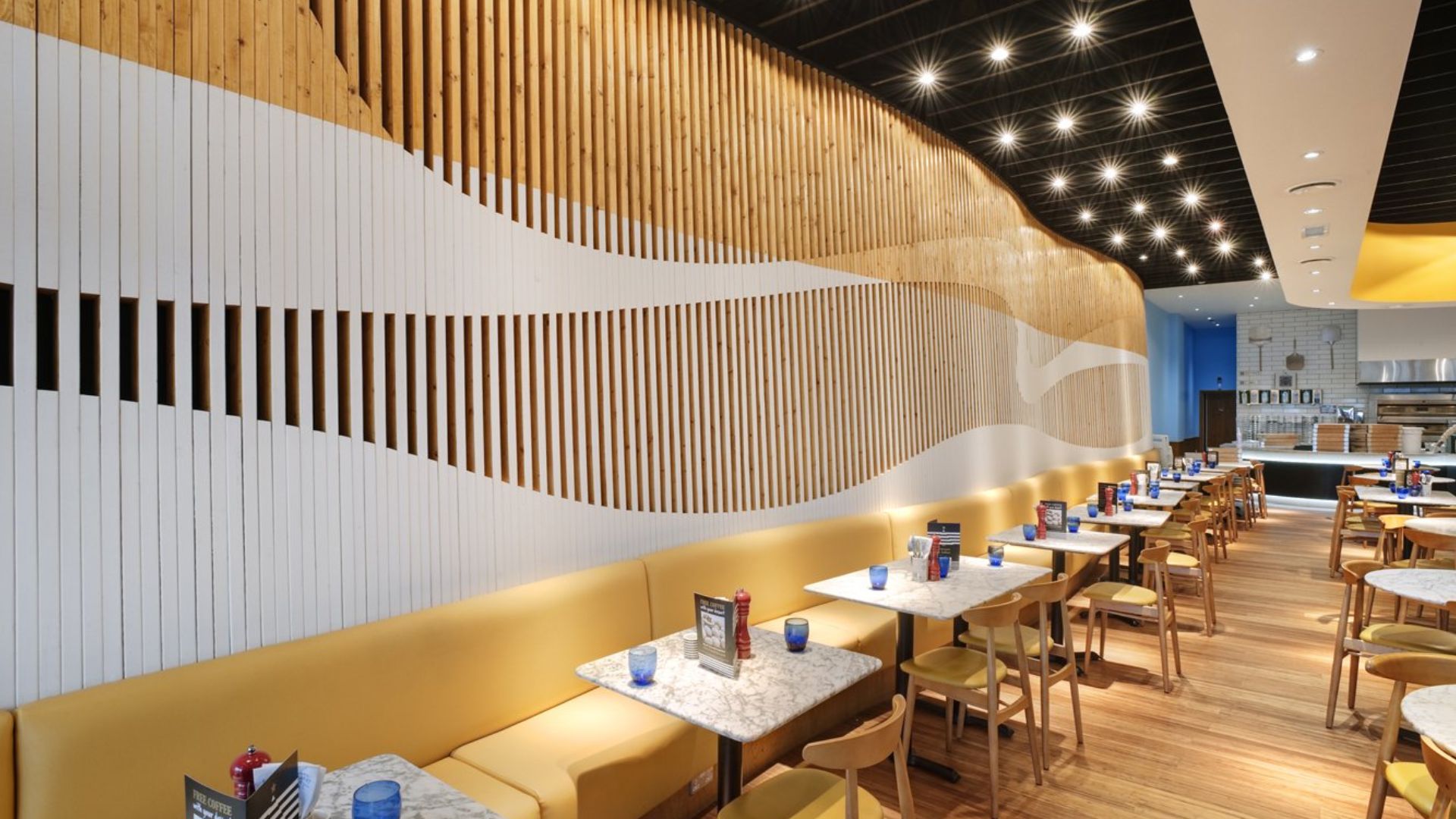
Unity and Harmony
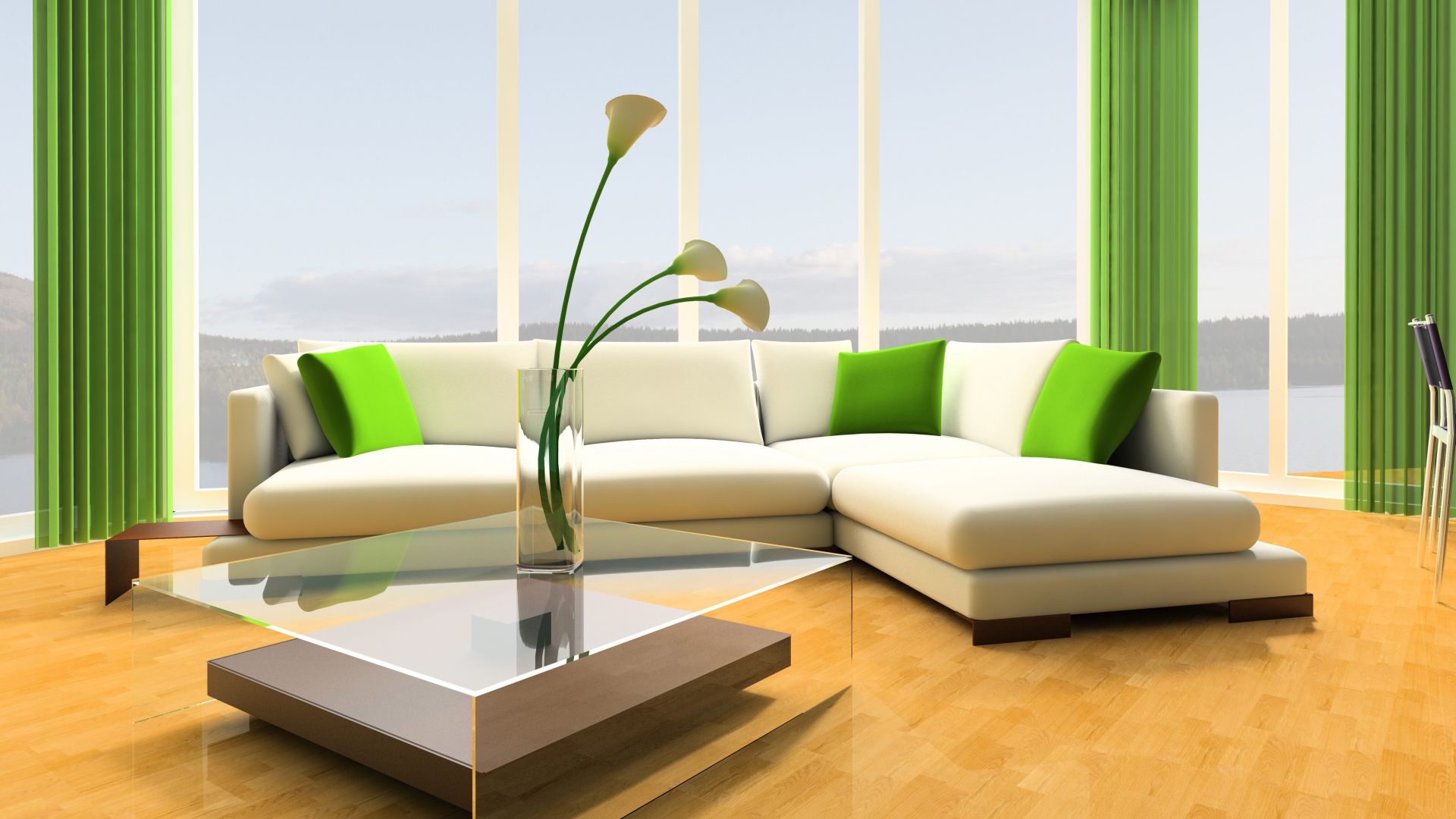
Harmony and unity help a room feel coherent and make all the components feel like they belong together. When a broad subject is followed to direct the design and ensure that all components relate to one another, there is a sense of unity. Designing a room with products that share similar colors, patterns, shapes, or styles will be easier.s.
Scale and Proportion
Together, scale and proportion help ensure that all of the items in a room relate to one another and look like they belong there. While proportion describes the size of one thing with another, the scale represents the size of objects within a space. It is essential to consider the size and proportion of objects because they will decide the overall beauty of the interior.
Details
A place with strong flow and balance that feels nicely put together can be created by incorporating the above 6 principles. However, it's the little things that bring a space to life. Despite being simple to ignore, details may significantly affect how a room looks and feels. Architectural accents, textile trim, decorations, hardware, handles, and flourishes are decorative features. Other less noticeable components include wiring from lighting and gadgets, outlet faceplates, and the standard of craftsmanship.
Conclusion
If you want to design your interior, our house interior designer can help you. Our Interior designers have years of experience and do their work perfectly according to the client's requirements. ABN Interior Architect is capable of doing high-quality interior design that is astonishing. Get in touch with us for interior design.
Get In Touch
Unique Brand Of Interior Designers And Architects
Let's Start a Project
T: +91 9987761658
M: abnikam.id@gmail.com
A: 814, 8th Floor, Opal Square IT Park, Plot no. C-1, Opp Railadevi TMC office, Wagle Estate, Thane - 400604